How Big Is Everything? From a Quark to the Cosmic Horizon
Plays from YouTube (privacy-enhanced mode).
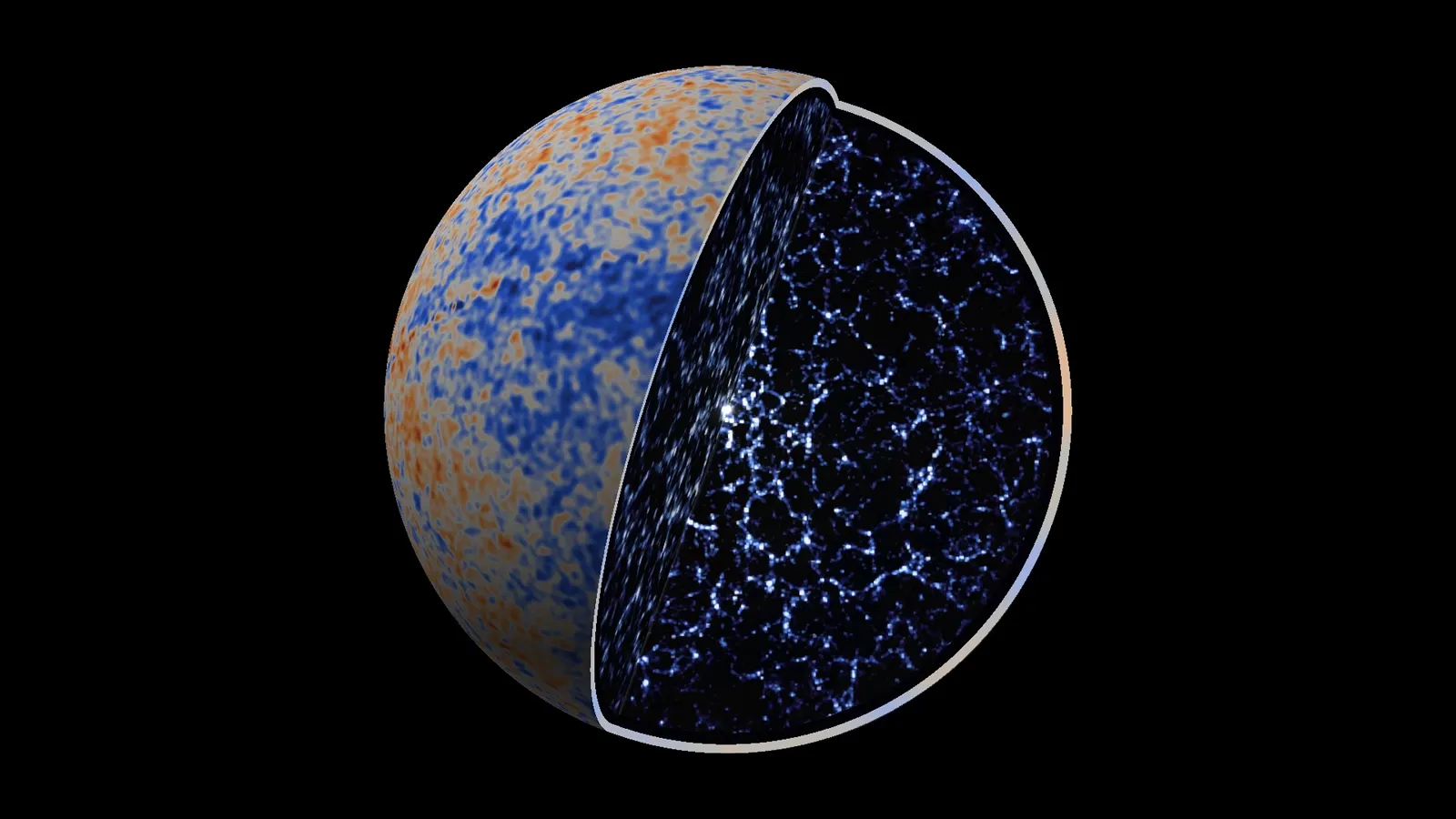
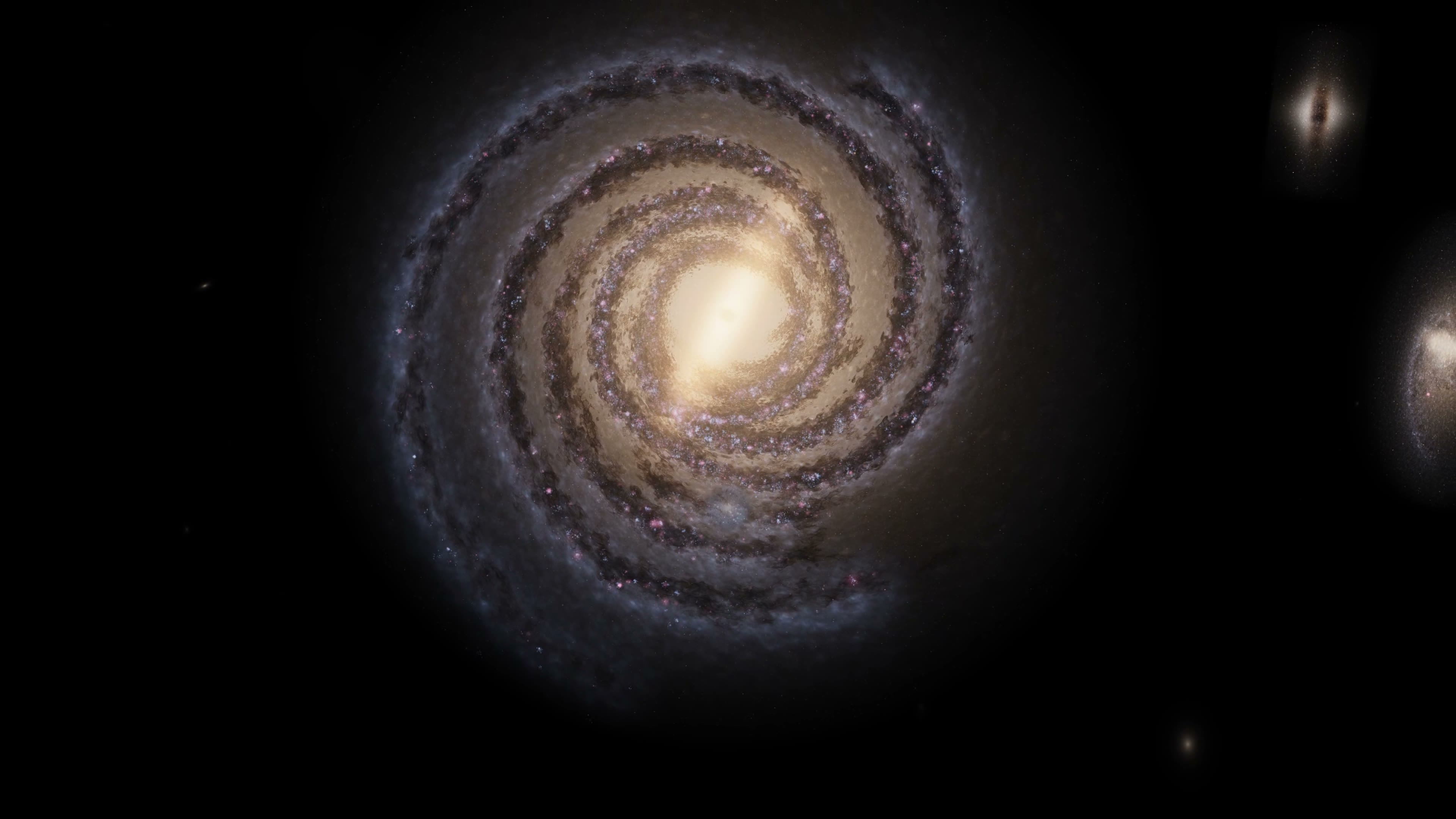
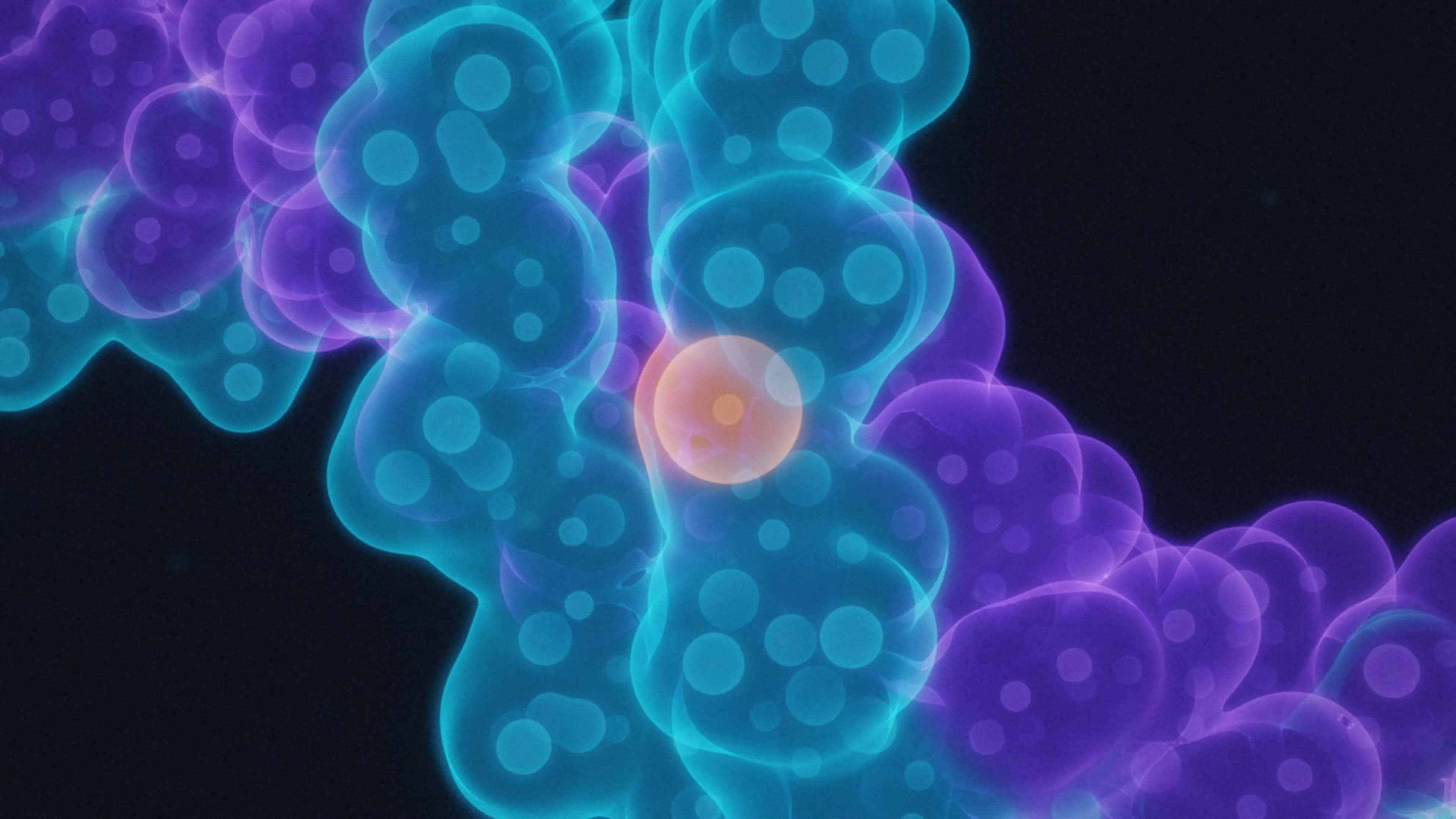
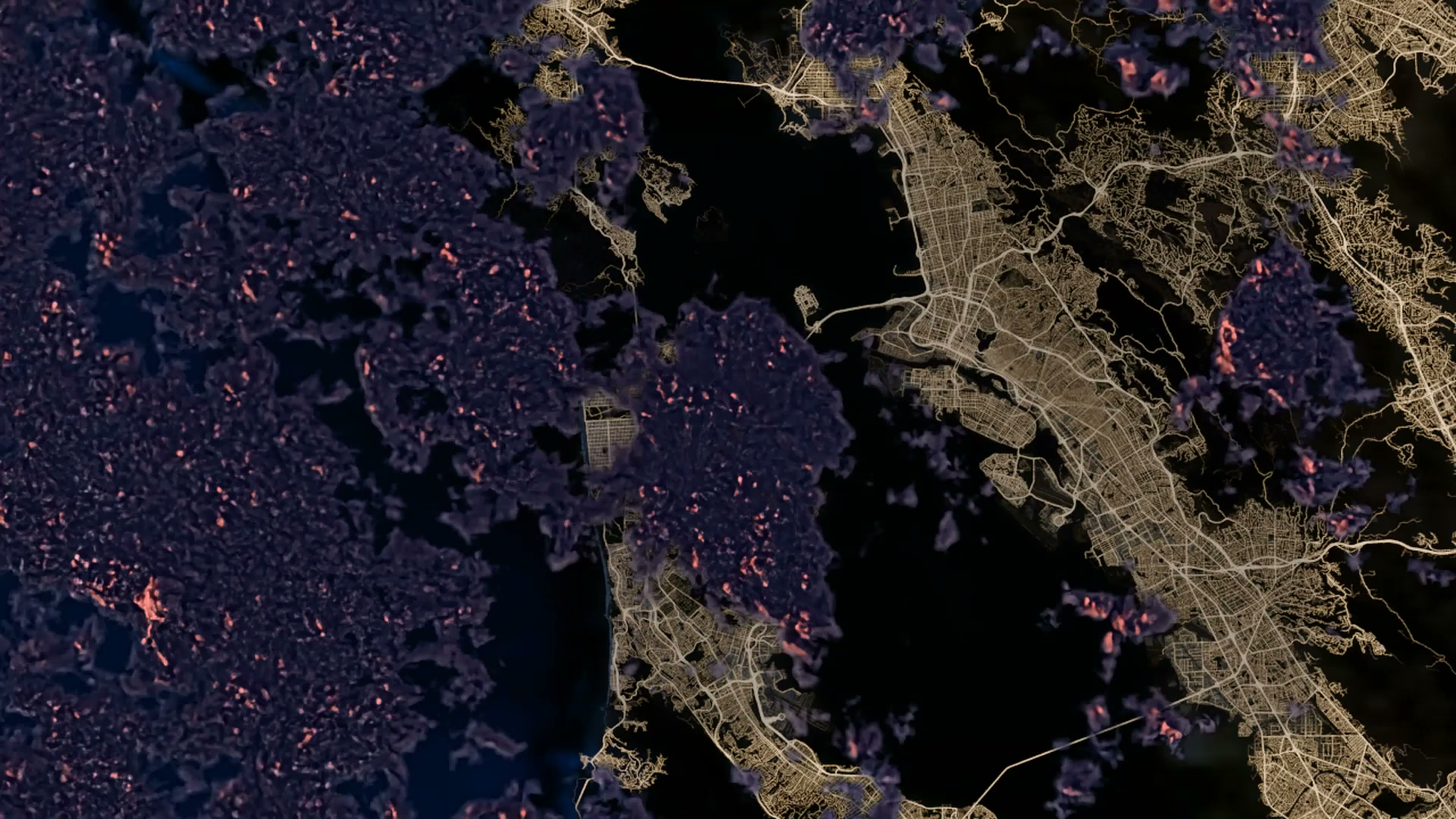
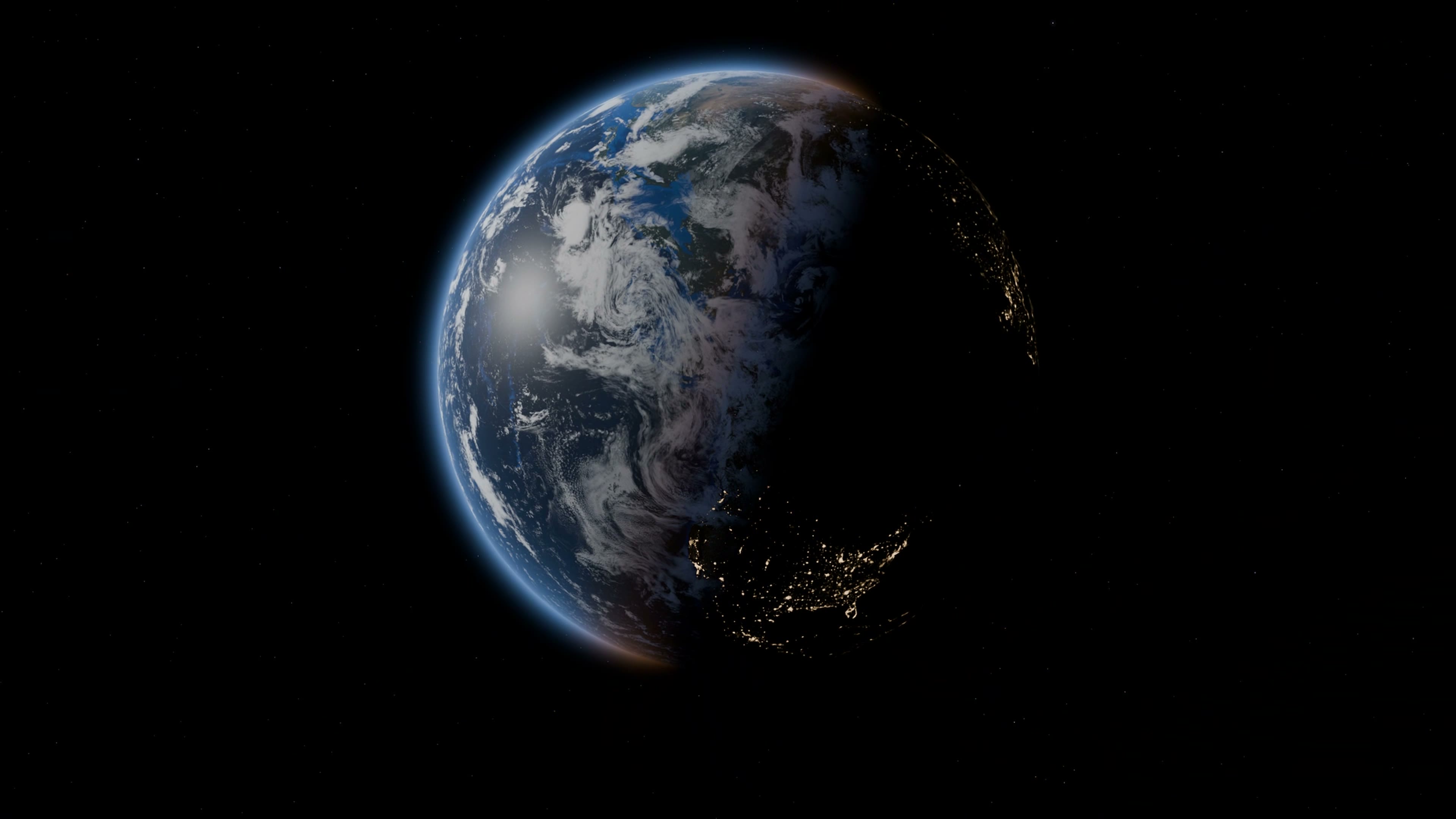
How far can you zoom out before we run out of things we know? We start at a quark, which as far as anyone can tell has no size at all. Then we climb through atoms, DNA, cells and you, out to the city, Earth, the Solar System, the Milky Way and the cosmic web.
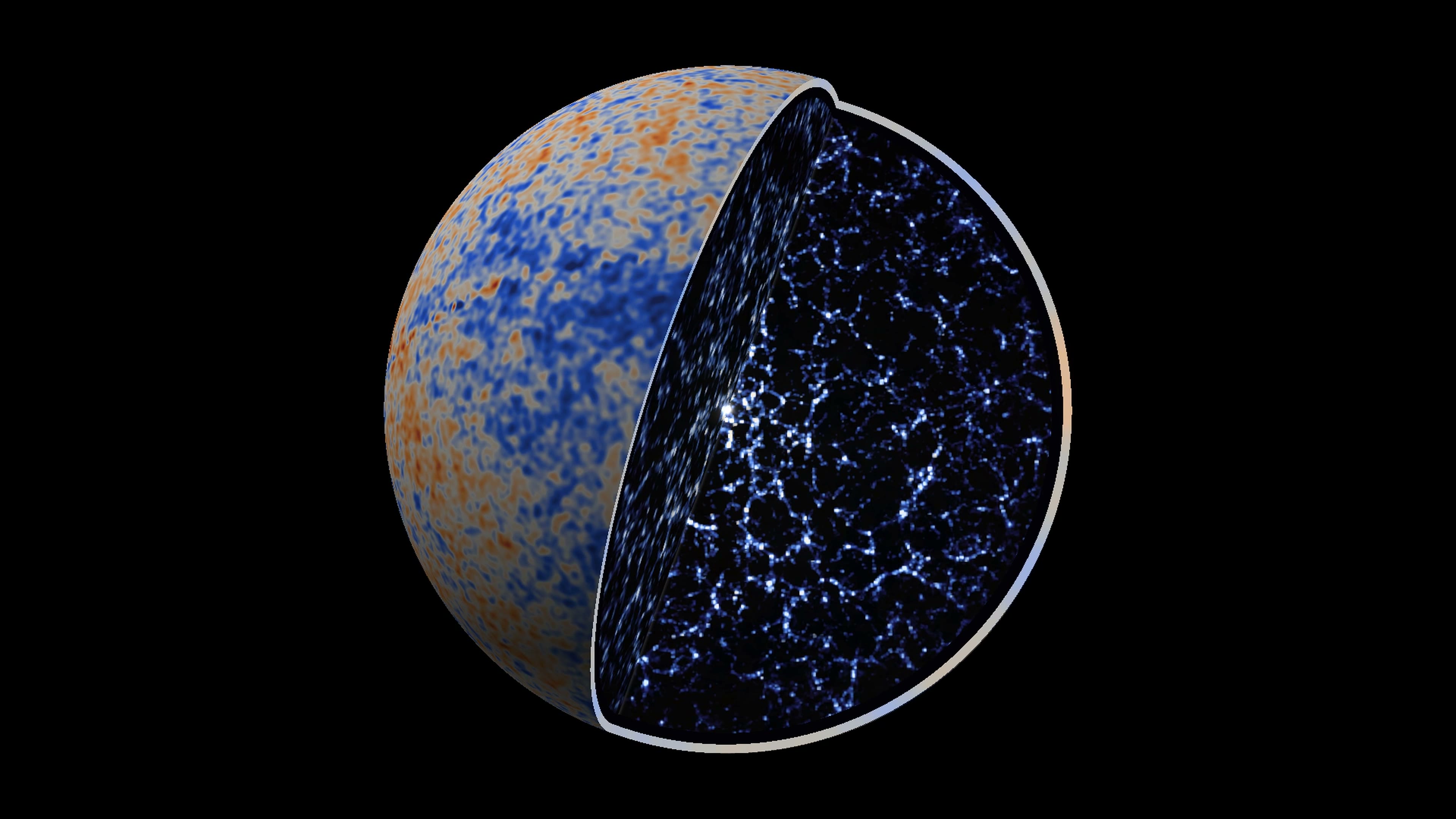
Along the way there are a few things worth saying out loud. Nine-tenths of you, by weight, was made inside stars. The Sun is 109 Earths wide. And the farthest light we can see left just 380,000 years after the Big Bang, and we cannot see past it because the light from beyond has not reached us yet.
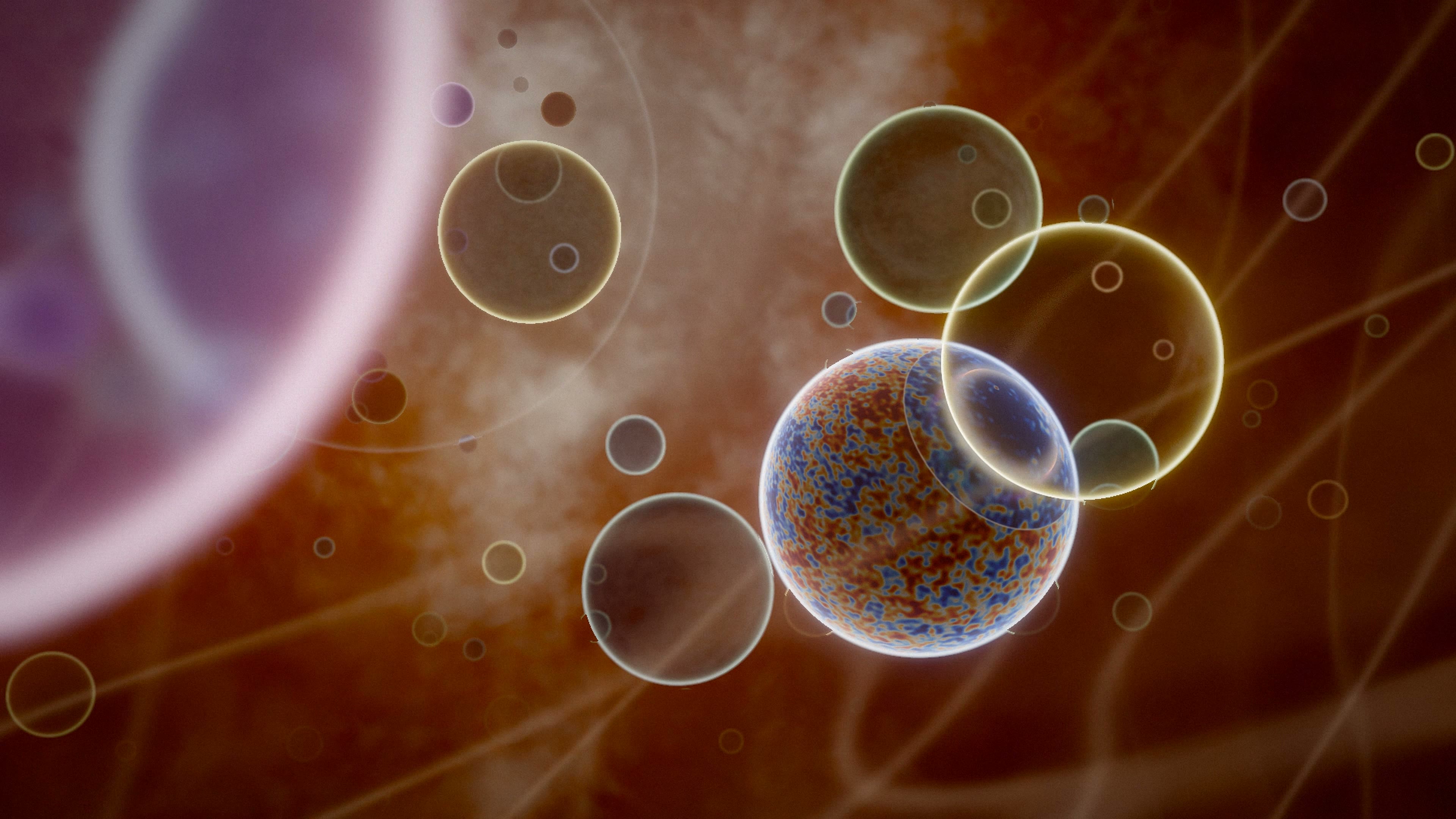
The last part of the video goes past our horizon, and it is clearly labelled as speculative. Nobody knows what is out there, so it is guesses from physicists, not facts. Scientists have even searched our sky for signs of a bubble universe. So far, nothing, but they looked.
Numbers to remember
9/10
of you, by weight, was made inside stars
You are stardust.
109
Earths wide is the Sun
Its light takes eight minutes to reach us.
8 min
for sunlight to reach Earth
~1 light-day
from home: how far Voyager 1 has got
Launched in 1977, it is the farthest thing we have ever sent.
4.2
light-years to the next star
100,000
light-years across: the Milky Way
It has a few hundred billion stars.
380,000
years after the Big Bang, the oldest light left
We cannot see past it because that light has not reached us yet.
Free 4K wallpapers
Frames from this video at 3840 by 2160. Free for your own desktop, tablet or classroom screen.
Chapters
- 0:00 From rooftop to fingertip
- 0:20 Quarks, atoms, DNA and you
- 1:24 Rooftop, city, Earth
- 1:49 The Sun's family
- 2:36 Our stellar neighbours
- 3:05 The Milky Way
- 3:20 Galaxies, groups and superclusters
- 3:56 The cosmic web and the oldest light
- 4:27 Beyond our horizon? (speculative)
- 5:07 Let's go home
- 5:17 Stay curious: what's next
Keep exploring
- NASA: Voyager
- NASA: The Universe
- NASA: WMAP, the oldest light
- NASA LAMBDA: cosmic microwave background data
Sources and credits
- Visuals: StarBrains, rendered in Blender and Unreal Engine. Narration: AI text-to-speech. Original score generated locally with YuE2; sound design by StarBrains.
- City and character: Epic Games City Sample / MetaHuman, rendered in Unreal Engine.
- Molecular structures: RCSB Protein Data Bank, 1BNA, 1KX5, 1ZBB and 6HKT (CC0)
- Skin reference: Bruce Wetzel / National Cancer Institute, Visuals Online (public domain)
- Earth: NASA Blue Marble / Black Marble, NASA Earth Observatory via NASA GIBS; NASA/USGS planetary maps
- Planet textures: Solar System Scope (CC BY 4.0)
- Coast: Contains modified Copernicus Sentinel data 2024. Map data © OpenStreetMap contributors (ODbL), extract by Geofabrik
- Star positions: HYG Database v4.4 by David Nash (CC BY-SA 4.0). Positions and colours adapted for this visualisation.
- 3D dust map: Edenhofer et al. 2024, A&A 685, A82 (CC BY 4.0); resampled for visualisation.
- Milky Way geometry: Reid et al. 2019 (spiral arms); Wegg, Gerhard & Portail 2015 (bar). External galaxy views are artist's impressions based on measurements.
- Local Group galaxies: Local Volume Database v1.1.1 (Pace 2025, OJAp 8, 142), CC0
- Galaxy redshifts: 2MASS Redshift Survey, Huchra et al. 2012, ApJS 199, 26. Cosmic web beyond survey coverage: our own simulation.
- Asteroid and Kuiper belt orbits: IAU Minor Planet Center (MPCORB)
- Spacecraft and planet positions: JPL Solar System Dynamics, Horizons (downloaded 2026-10-29)
- Voyager model reference: NASA 3D Resources.
- CMB map: NASA / WMAP Science Team. We acknowledge the use of the Legacy Archive for Microwave Background Data Analysis (LAMBDA), part of the High Energy Astrophysics Science Archive Center (HEASARC). HEASARC/LAMBDA is a service of the Astrophysics Science Division at the NASA Goddard Space Flight Center.
- Bubble-collision search reference: Feeney et al. 2011. Bubble universes are speculative.